
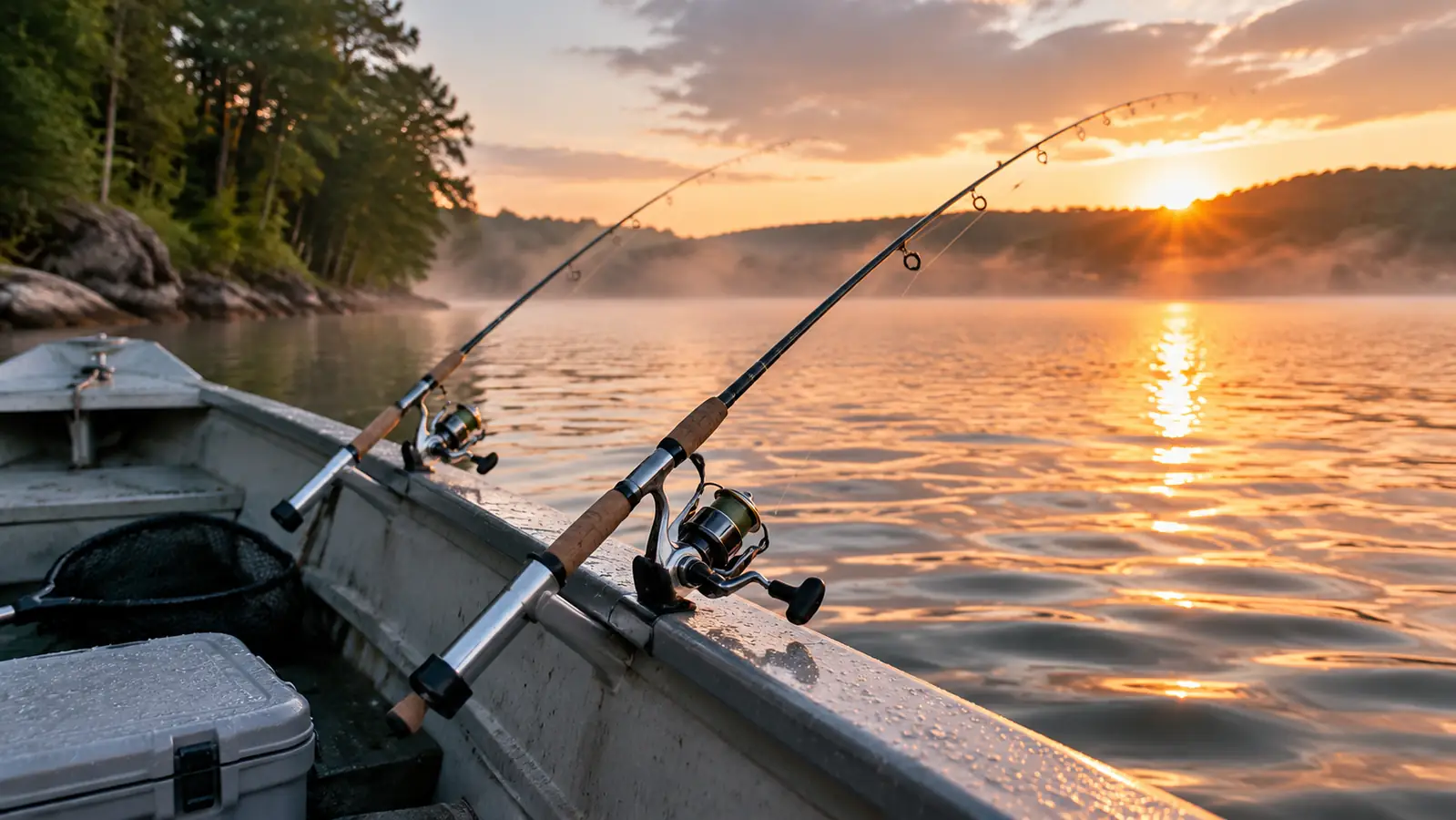
PowerPro has carried the conversation about braided line for three decades. Most of us never question it. We spool it, fish it, and quietly assume anything priced below it is a gamble you relegate to the spare reel, the one that stays in the rod locker for the trip you expect to go wrong. I thought exactly that until this season, when I finally tested the assumption instead of repeating it.
Last weekend of April I spooled my twin rods for the season. Two identical size 3000 spinning reels on the same graphite blanks, both carrying a 20 lb class line, one with RIKIMARU braid and one with PowerPro Super Slick V2. I ran the same test in a 40 lb class on my heavy frog rod. The short answer after a season on the water is that the RIKIMARU came far closer to the established name than the price difference suggests, and it is the better buy for the angler who thinks in seasons rather than in brand loyalty.
| RIKIMARU Braid | PowerPro Super Slick V2 | |
|---|---|---|
| Price per yard | A 327 to 1094 yard spool at about a third of the cost per yard, one box covering two reels. | Shorter 150 to 500 yard spools at the classic premium for the name. |
| Knot security | Holds a Palomar once cinched wet. A rushed or dry knot will slip on a hard set. | The reference standard. Even a hurried clinch knot holds, which is rare for braid. |
| Abrasion on rocks and pilings | Survived a season of stained pilings and gravel, with one small nick on a sharp ledge. | Came through the same cover with no marks worth mentioning. |
| Casting distance | Slick out of the spool and very castable, settling in fully after a couple of trips. | Super Slick coating keeps distance consistent from first cast to last. |
| Color life | Faded a couple of shades lighter over the season. | Kept most of its color through the same number of trips. |
| Sensitivity | Zero stretch, sharp hook sets, light bites come through clean. | Zero stretch as well, the same class of feel. |
| Reels per spool | One spool re-fills two size 3000 reels with line left over. | A spool usually fills one reel, then you buy again. |
| Forgiveness when spooling | Demands real tension; load it loose and it humps into wind knots. | Tolerates a quick job on the dock at dusk. |
| Best for | The weekend angler re-spooling the whole boat on a budget. | The angler who wants the proven name and will pay for it. |
How I Ran Both Lines This Season
Every trip started from the same deck, my 16-foot aluminum rig on a 900-acre impoundment with gravel ramps, stained pilings, standing timber and one rock ledge that eats line. I tracked four things in a notebook all season: cast distance with the same half-ounce jig, how often I had to retie after scraping a piling, whether the knots held a hard hook set on a fish that bent the rod, and how much color each line had lost by the first cold morning of October.
I kept the two lines on opposite sides of the same fishing so neither one got the good days. If the wind promised a long crankbait morning, the PowerPro rod came out. If it was a finesse day on the banks, the RIKIMARU did the work. I also wet every knot every time I tied, the single discipline that keeps any braid honest, because I wanted to test the lines themselves and not my sloppy Saturday tying.
The first real answer came in June. I hung a crankbait in a sunken log, leaned into the rod to free it, and the RIKIMARU tag end came back slack. The Palomar had pulled loose under a load it should have held. I retied it, cinched it wet and hard, and it never failed me again the whole season. But that moment told me early that this comparison was not going to be a landslide in either direction, and I kept both lines on the boat for the next four months to find out exactly where each one stood.
The fastest read on any braid is a bite you do not expect. Late July I was dragging a 3/8 ounce shaky head down a weedline with the RIKIMARU rod when the line went heavy the way a bass does when it picks a bait up and stands still. With mono that weight on your line turns into a guessing game, set on a maybe. With the RIKIMARU I felt a clean thump, set once, and had the fish. The PowerPro rod does the same thing, which is the point: in the hand the two lines feel nearly identical on the retrieve. The differences show up in the knots, the scrapes, the fade, and that is where I kept score.
Where RIKIMARU Wins
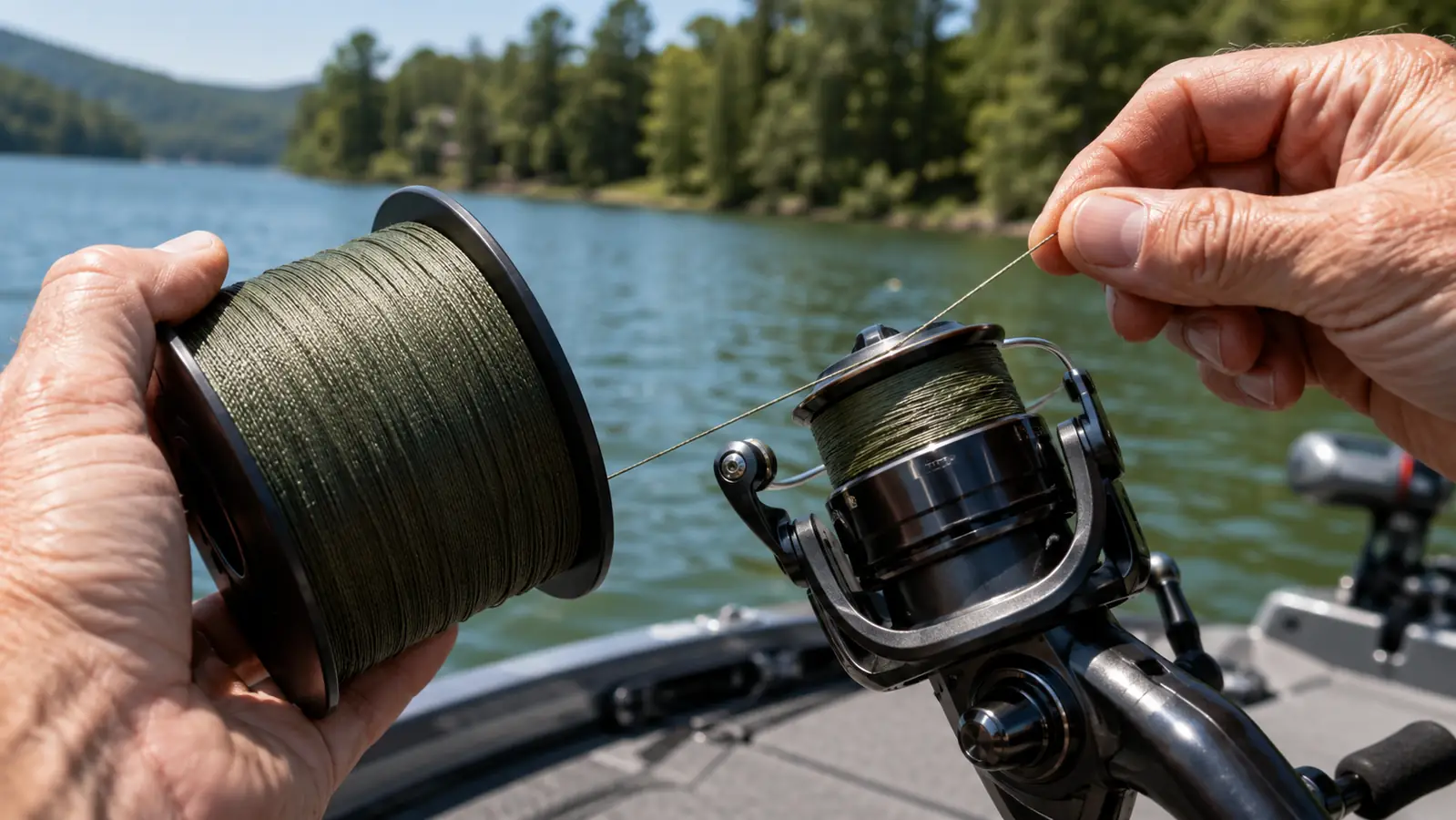
The whole argument for RIKIMARU is the price per yard, and it is not a rounding error. A spool that costs roughly a third of what PowerPro charges per yard, and that carries up to a thousand yards in the test classes I actually fish, means one box re-fills two size 3000 reels on my deck. When you braid up three reels before the season the way I do, that saving is real money in your pocket before the first cast is ever made.
What surprised me is that the saving did not come with a soft or stretchy line. In the hand the RIKIMARU feels the same as the PowerPro: stiff, no give, and it passes light bites through the rod the same way. For the fishing most of us actually do from a boat, bass and panfish around cover that is annoying but not brutal, the budget line handled the whole season without a single break-off I could blame on the line itself.
The value argument holds up even when you count what the budget line cost me along the way. I checked the RIKIMARU more often after scraping a piling, and the season's one nick, the one on the sharp ledge, was on the budget spool. But I kept the math honest all year. The gap in price per yard is wide enough that even replacing the RIKIMARU midseason would still have left me ahead of what the PowerPro spools cost by October. A line you can afford to replace is a line you fish without flinching, and that confidence has a value of its own.
So the verdict in this column is about value, not about RIKIMARU being a better line. It is not a better line, and I will not pretend it is. But it is close enough that the difference rarely matters, at a fraction of the cost, and for that reason it is the smarter spend for the weekend angler. The full season notes on wear, color and knots are in my long-term RIKIMARU braided line review.
Where PowerPro Wins
PowerPro earned its name at the knot. The same June morning the RIKIMARU let go, the PowerPro rig took an identical hang-up and an identical pull, and the knot simply held. Its weave also holds a clinch knot, which most braids will not do at all. That matters more than it sounds when you tie in a hurry at first light, with cold fingers, or on the dock at dusk, which is exactly when I am at my least careful and most grateful.
The Super Slick coating earns its keep on wind. On a choppy October morning off the dam face I wanted the longest crankbait casts I could get, and the PowerPro rod routinely put the bait a few yards past the RIKIMARU on the same swing. That is the kind of difference that does not bug you while you fish and never shows up on a spool test, but it decides days when the fish sit one cast farther out than most of the pack is willing to reach. Consistent distance from the first cast to the last is the quiet upgrade you are paying for.
It is also the tougher line, and it shows its age better. Rubbed along the same stained pilings and pushed through the same gravel, the PowerPro came out essentially unmarked while the RIKIMARU picked up a small nick on a sharp ledge. By October the PowerPro had also held most of its color, still easy to follow from the boat deck, while the RIKIMARU had faded a couple of shades lighter over the same number of trips.
Add the Super Slick coating and the PowerPro is simply the better finished product. It casts a touch longer, its distance stays consistent all season as the coating works, and it forgives a lazy spooling job in a way the budget line does not. Each one of those margins is small, but they show up on every trip, and after a season they stack into a line that behaves like the premium product it is priced as.
The Smarter Spend When You Spool the Whole Boat
I ran RIKIMARU beside the name that defined braid for a full season. It is not PowerPro, and it does not try to be. But with the same zero stretch, the same sharp hook sets, and a price per yard that covers two reels for the cost of one, it is the smarter buy for most weekend anglers. Check today's price on Amazon and see what your season of braid really costs you.
Amazon Check Today's Price on Amazon →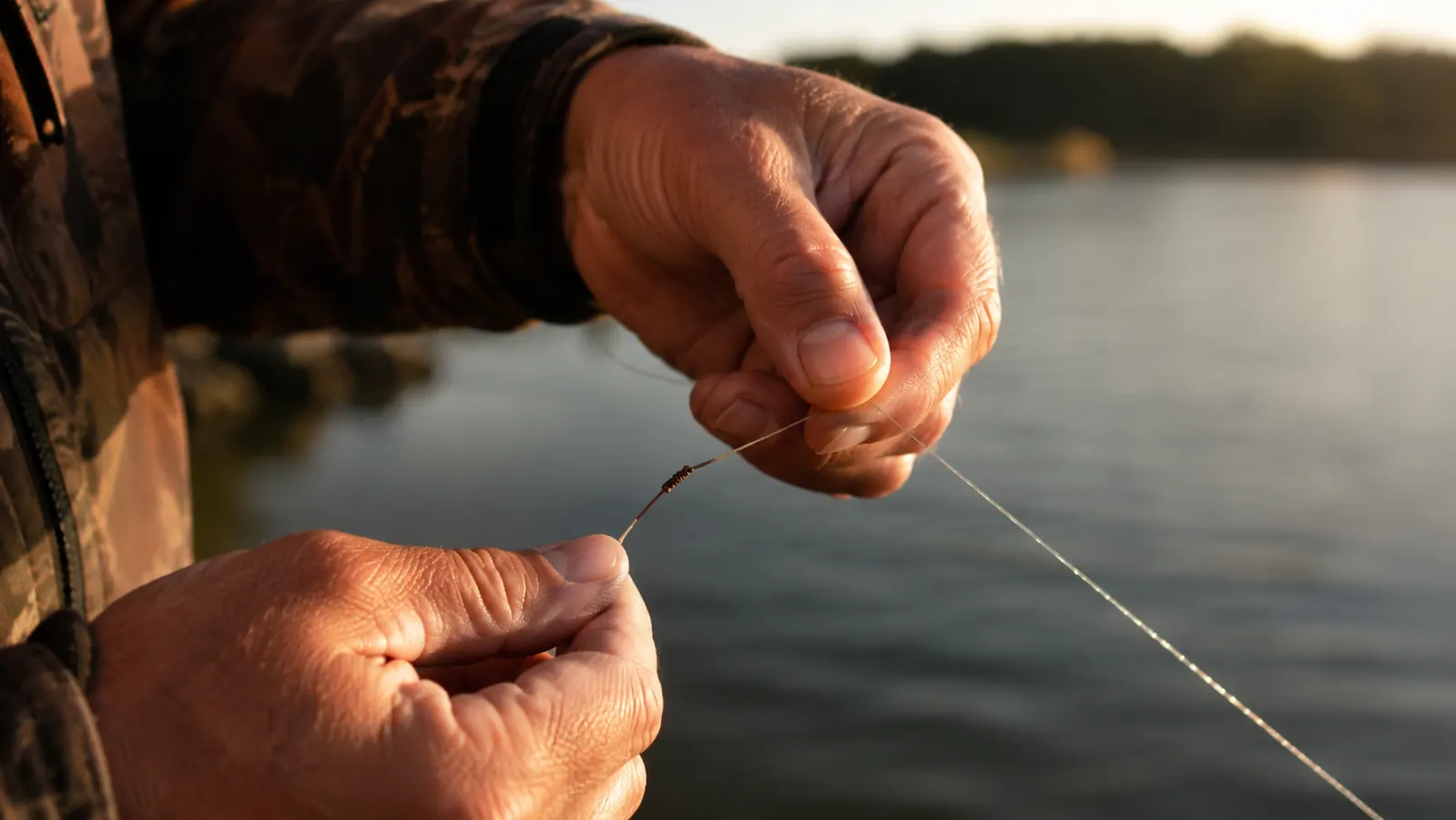
The Honest Trade Between the Two
Strip away the brand loyalty and the trade is simple. With RIKIMARU you save a meaningful amount of money per season and you give up a little knot security, a little abrasion edge, a little color life, and most of the forgiveness when you are spooling in a hurry. None of those four things decides a normal weekend of fishing. They decide the one trip a year where the line is exactly what stands between you and the fish you will be telling stories about.
That is why I run both lines on purpose now instead of feeding the argument. The PowerPro stays on the rod I grab for heavy cover, thick pads and the frog bite, the places where a nick or a slipped knot ends the day. The RIKIMARU spools the finesse rods, the cranking rod and the spare, the gear that gets the most casts and the least drama. Each one sits where its strengths matter and its weaknesses cannot hurt me.
One more trade belongs in the honest column. The RIKIMARU is not a five-year line. The fade, the nick, the slightly looser weave after a hard season all point the same way: fish it hard for a year or two, then spool fresh, which for most weekend anglers is exactly when they would re-spool anyway. The PowerPro is the line you keep through a second season and still trust. Treat braid as a yearly expense and the RIKIMARU wins the budget argument twice over. Treat it as a decade purchase and you have already made the call.
The Knot That Nearly Talked Me Out of It
I will not pretend the RIKIMARU is as easy to spool. Lay it on a reel without tension and it humps, and a hump is a wind knot waiting for the right moment. I saw it happen live the week my buddy Doyle loaded his reel loose, shrugged, and then spent an evening fighting a tangle he never got out of. Keep a wet towel on the line as it loads, keep the tension even, and the RIKIMARU lays as flat as anything I have ever fished. The PowerPro simply forgives the lazy version of that job.
Run a leader with both lines, because braid of any brand is visible in clear water and neither of these two is an exception. On my 20 lb rigs I tie three feet of fluorocarbon with an FG knot, and I fall back on a uni-to-uni when I am in a hurry or my fingers are numb. Once you match the line to a leader that suits the water you are fishing, the practical differences between these two brands shrink even further, and the price gap is all that is really left.
Who Should Buy Which
Buy RIKIMARU if you are the angler I was a year ago: one boat, three reels, a real budget, and a whole season ahead of you. If you burn through line anyway, the price per yard saving is the difference between braid on every rod you own and braid on the one rod you use most. For the trips that matter, you will not be able to tell the two lines apart on most casts, and the reasons braid out-fishes monofilament hold exactly the same on either spool.
Buy PowerPro if knots are your weak hand, if you fish heavy cover and rock every single trip, or if you only buy line twice a year and want the exact behavior you already know by heart. It is the safer line, plain and simple. It costs more, and it earns the difference in the places that punish a mistake hardest. I run both on purpose, and that split tells you everything about what each one is for.
Neither line will fail you, and both out-fish monofilament for most of the fishing you do from a boat. My longer notes on the season, including the color fade and the single nick that still bugs me, are in my long-term RIKIMARU braided line review, and the general case for braid over mono is in my article on ten reasons braid beats monofilament.
Start With One Reel
You do not have to re-spool the whole boat to test the budget side. One spool of RIKIMARU covers two reels anyway, so today's price covers most of your season. Check today's price on Amazon and put a reel of it side by side with whatever you are fishing right now.
Amazon Check Today's Price on Amazon →