
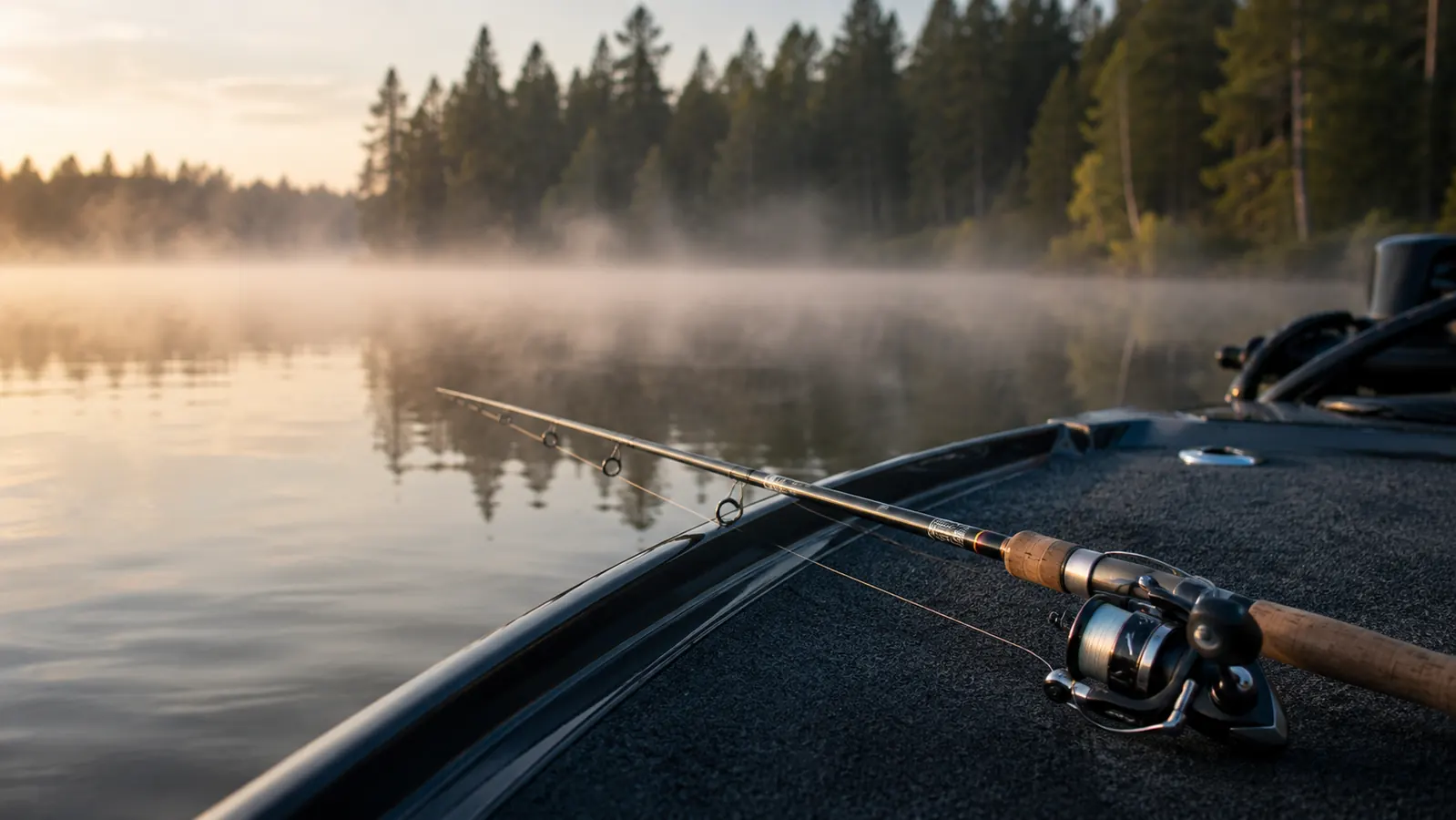
The first weekend of May, before the home lake had warmed past fifty degrees, I re-spooled three reels with RIKIMARU braid. Seven months and roughly sixty trips later, all three spools are still on their reels. That is not laziness. I am the kind of angler who reties so often that I think of line as a consumable, and I have replaced braid mid-season more times than I can count when it stopped earning its place. A line that survives a full season on my boat deck has earned every word of a review.
A year before that I was fishing the same banks on monofilament and losing fish to stretch. Two bass in one week got slack-line hook sets that mono could not complete, and both times I blamed the wind. The line was the only thing I never blamed, which is exactly backwards. I wanted zero stretch this season, and RIKIMARU's braid is what I put on to get it. Here is what it did over the weeks that followed, the good and the two places it let me down.
The Quick Verdict
RIKIMARU braid is dependable first and cheap second. It casts long, holds a wet Palomar knot, and took everything a season of rocks and weeds handed it, with one honest exception.
Amazon Check Today's Price →The braid that earned a second season on my boat
Zero stretch, thin diameter, and knots that still hold after a season of sun and grit. This is the line I am buying again this winter.
Amazon Check Today's Price on Amazon →How I've Used It
Setup one is a 2500-size spinning reel spooled with RIKIMARU in 10-pound for drop-shotting and finesse worms off the gravel points. Setup two is a baitcaster running 30-pound for pitching into pads and flipping the weed edges. Setup three is a medium-action spinning rod with 15-pound for general work: crankbaits, weightless plastics, and whatever bites when my nephew is on the boat. That spread of tests matters, because 10-pound braid and 30-pound braid fish like different products even from the same brand.
Every reel got the same spooling treatment: mono backing, a wet knot, and firm even tension as the line went on. The line came off the factory spool in clean layers with no memory humps, which is more than I can say for the two budget braids I tried the season before. It laid flat from the first turn, so my early casts were smooth and I never had to strip forty yards and redo it because of a soft middle layer, which is the failure mode that wastes most of a cheap spool.
I also keep an old spool of it in my day pack for weekend hikes to the little high-country lakes off the trailhead, where the trail is the fishing and the fishing is the point of the hike. Same story up there: it casts clean on a cold morning, stays soft when the temperature drops at dusk, and does not snag pine straw the way line that holds water does. A trail rod gets bounced off rocks and dragged through brush on the way in, and this line treated all of it as a normal Tuesday.
What This Braid Does Differently
The whole case for braid is in the spec sheet: zero stretch. When I set the hook on a drop-shot with slack in the line, the hook is moving before I finish the sweep. On mono I used to lose one in four fish that way, because the stretch ate the hook set before it reached the hook. With RIKIMARU I can count the drop-shot fish I have missed this season on one hand. I have written the full case for moving off mono elsewhere, and this line is the reason I stopped arguing about it with anyone who asks.
The extra-thin diameter matters more than the marketing lets on. Ten-pound RIKIMARU is thinner than the 6-pound mono it replaced, so it cuts the breeze instead of bowing to it. That means the bait lands where I aimed it, not down-current where the wind wanted it. On a lake that blows up by ten in the morning most weekends, that alone changed how I fish the windward bank, because a bait that lands on the target swims differently than one that lands twenty feet off it.
Sensitivity is the quiet win nobody feels until they switch. I can tell gravel from sand from mud with this line on a slow drag, and I can feel the exact moment a weightless worm tickles off the bottom. That is not catalog language. That is the difference between reacting to a bite and feeling it start, and on a finesse bite those are two different fish. The soft hit a walleye gives on a dead-stick presentation used to vanish in the stretch of mono. With this braid I feel the pickup and the weight shift as two separate moments.
How It Handled Rocks, Weeds, and Long Runs
The worst day for the line was the first trip after the summer drawdown, when the dam rip-rap sat exposed and everything I caught came off a sharp rock shelf. The 30-pound RIKIMARU came back from that day scuffed but intact, and the 15-pound gave up thirty yards on one bad snag I should have seen with my eyes instead of my rod tip. I would not point light braid at a saw-tooth rock edge, from any brand, and I would not ask any of them to make that trade. The 30-pound did the job, and the 15-pound did not pretend to be something it was not.
Weeds are where braid earns its keep, and this spool earns its price there. I pitch 30-pound into pad edges and hook fish that dive straight into the salad, and this line cuts through milfoil that would have ended a mono fish in two seconds. I pulled one bass out of a mat so thick that the fish came up wearing a crown of weed, and the line never gave an inch during the whole rescue. When a fish buries itself, the fight is really between your line and the vegetation, and I want my side of that argument to be the strong one.
Long runs are a fair trade. With zero stretch there is no give in the system, so a fish that changes direction at the boat can pop a tight line in a hurry. I drop my thumb on the spool, back the drag off a quarter turn, and let the reel take the fight. The one rule I will not bend with any braid is this: never horse a fish tight to the boat and expect charity from the line. Played properly, the zero stretch is an advantage, because every ounce of a long run comes straight to the reel instead of into the line.
Knots, and the One Test It Didn't Pass Clean
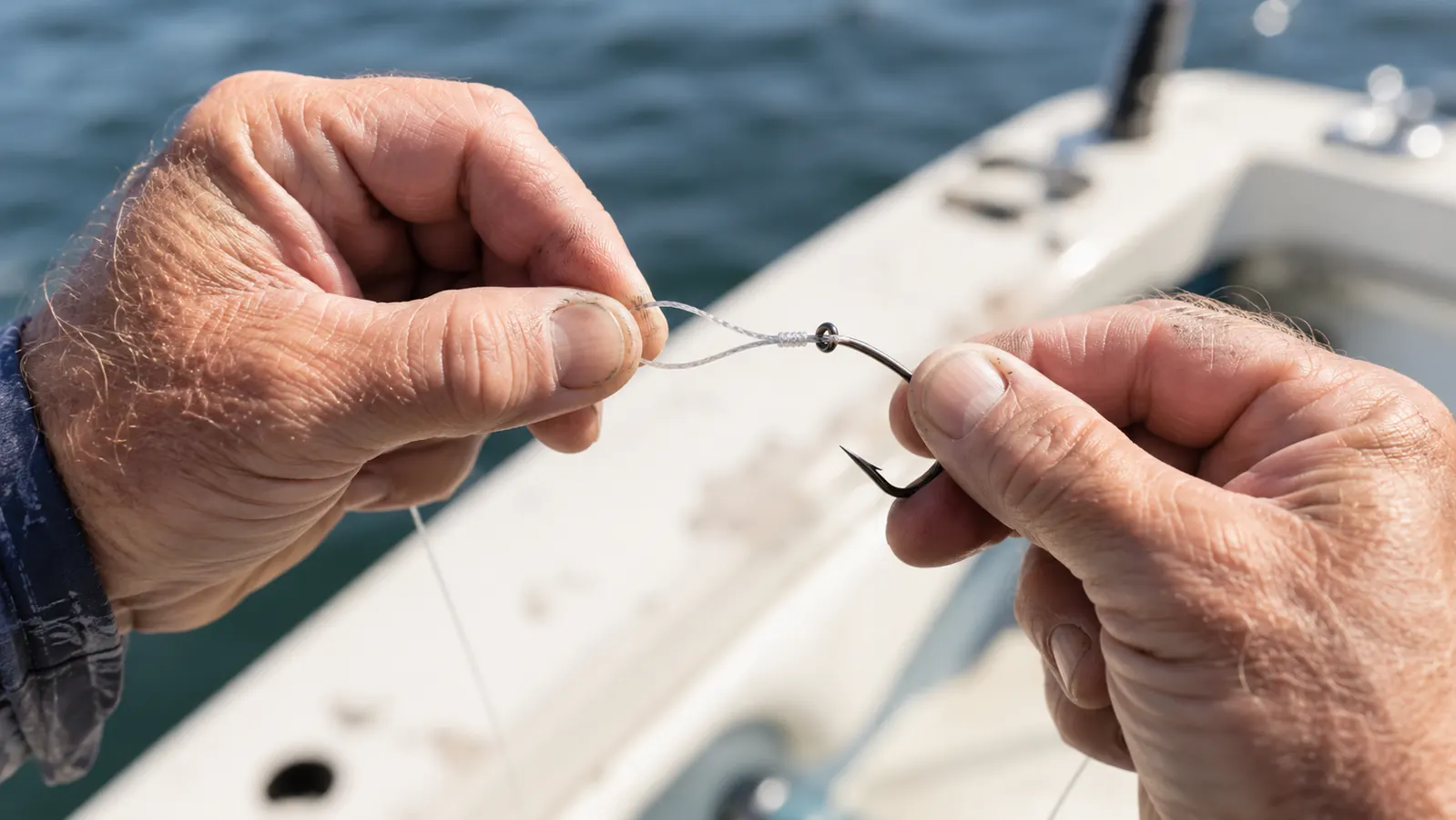
Palomar knots held all season. I used one for every hook, swivel, and leader connection, and I wet the knot before cinching, because dry braid on braid burns and slips. That wetting ritual is the difference between a knot that holds and a knot that lets you down an hour into a good day. I tested it early: I tied a bare hook to a fence post and pulled until something gave, and what gave was the fence, not the knot. Skip the wet step once and you will know why everyone with a braided spool talks about it.
The test this line did not pass clean came on a fifteen-mile-per-hour crosswind afternoon in August. Two wind knots in one session on the baitcaster, both from letting the cast load late in the breeze. Some of that is me, and the thin diameters in this range line up the slack so wind knots find you when you rush a cast. It is the honest flaw in this line, and it is the same flaw every budget braid I have fished shares. Between the two of us, me and the line, the line behaved exactly like its price class on that afternoon.
I hold a wind knot against a line far less than I hold a weak spot. A weak spot ends a season. A wind knot costs you five minutes with a spool of line and a small lesson about crosswinds, and neither is a reason to switch brands.
I went a full season without a single break-off on a hook set, and I fish a drop-shot with slack in the line most days. That is not a review line, that is my logbook.
Fade, Grit, and What a Season Does to It
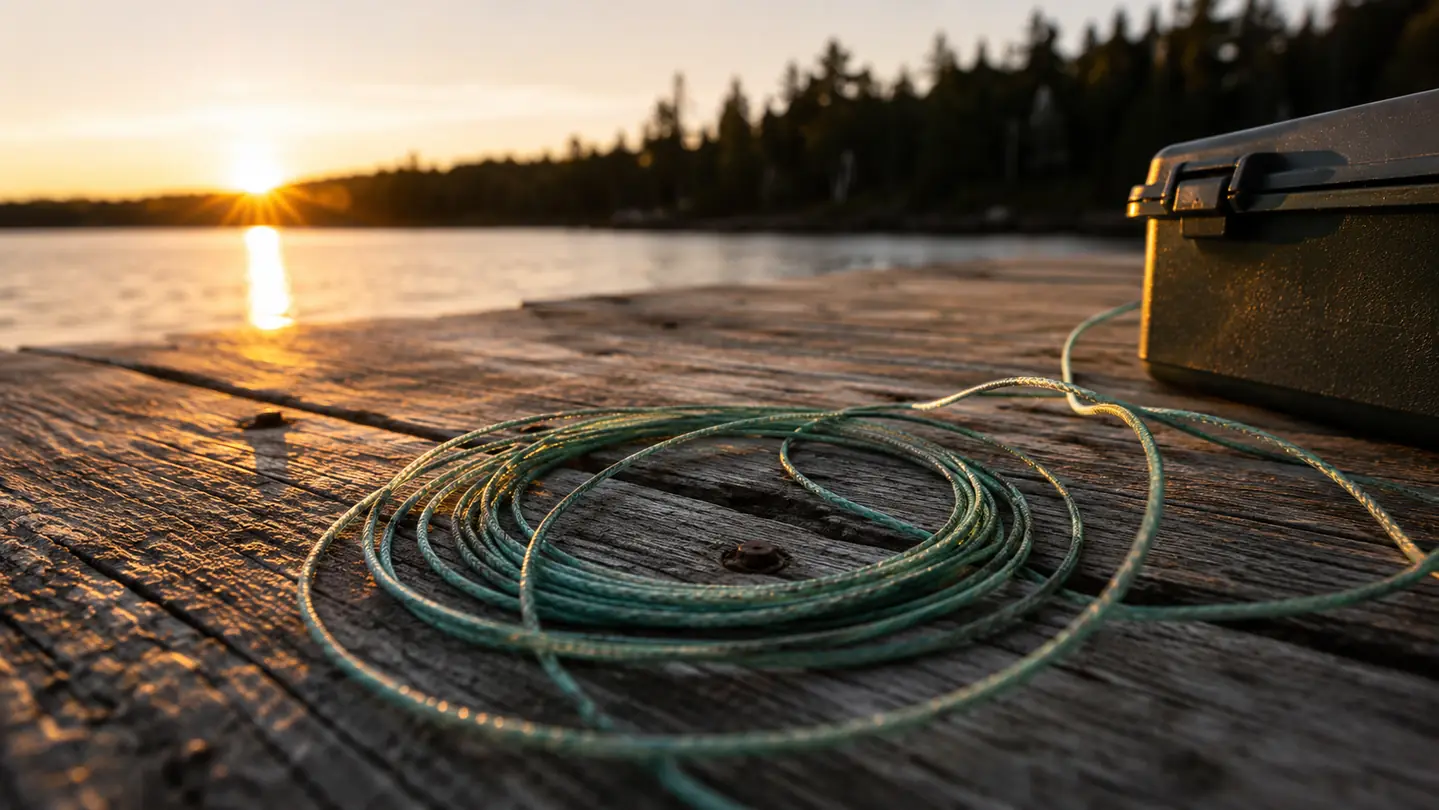
Honest note on looks: the top section of every spool lightened a shade under a season of sun and scrapes. Fade bothers some anglers, and it does not bother me. The line still stretches zero, still casts, and a lighter top section is actually easier to pick out against dark water when you are watching for line movement on a slow bite. If you bought this line mostly for the way it looks on the spool, you will be disappointed by June, and you were buying for the wrong reason.
Grit is the quiet surprise. Every reel on my boat picked up less dirt than the mono it replaced, and a single wipe through a cloth brings the line back clean. Less grit on the line means less wear on my rod guides across a full season, which is a maintenance win nobody puts in the listing. I checked my guides for grooving at the end of the season and found nothing worth re-wrapping, which is not something I could have said every year before this one.
At the end of the season the line is a little stiffer than it was in May, and the last thirty yards of each spool still look new. I normally retire braid after a season as a ritual. This year I am re-spooling anyway, because fresh line is cheap insurance and because the middle of these spools is still fishing better than what was on my reels a year ago today. If the fade and the stiffness bother you, re-spool next spring and you will not think about them again.
Alternatives I Considered
The name everyone asks about is PowerPro, and I have fished it plenty. It is the standard braid for a reason: consistent, tough, and predictable. I go deep on the head-to-head in my comparison, but the short version is that RIKIMARU is not PowerPro, and it does not need to pretend to be. It is a different tool for a different trip budget, and pretending otherwise is how people get disappointed by a coil of perfectly good line.
For a weekend angler who re-spools once a season, the gap between the premium line and this one is smaller than most forums will admit. For someone who fishes rocks every single trip, the premium spool is the honest answer and you will not be mad at it. For someone who fishes the way I do, most weekends and never midweek, RIKIMARU leaves money in the box for hooks and soft plastics, and that is where a weekend angler actually catches fish. Line does not catch fish sitting in a cast, but neither does an empty hook box.
Before I settled on this spool I tried two other budget braids, and the two things that made RIKIMARU the keeper were how it layered onto the spool without memory humps and how reliably the Palomar cinched down. Some budget braids are rough and fuzzy out of the box, and one of them frayed at the halfway point of a season like it had been through a rock crusher. This one came off the factory spool clean, and a season later it still comes off my reel clean.
What I Liked
- True zero stretch, so hook sets land and bites get felt early
- Thin diameters cast far and cut wind instead of bowing to it
- Palomar knots held every connection all season
- Shrugs off weeds and scuffs, and sheds grit instead of holding it
- Leaves budget for tackle that actually catches fish
Where It Falls Short
- Thin range throws wind knots in a stiff crosswind if you rush the cast
- Top section of each spool lightens through a summer of sun and scrapes
- Light tests do not owe you anything against sharp rip-rap, and the 15-pound proved it
Who This Is For
Buy RIKIMARU if you fish weekends, spool three or four reels at once, and would rather spend the difference on baits than on line that mostly sits in a cast. Buy it if you are outfitting a second rod for a kid or a guest, because a season of tangles and bank grime is exactly the abuse this line shrugs off. Buy it if you have been curious about braid but did not want to gamble the price of the premium spools on a first try. The gamble here is small, and the education is the same one every angler has to go through once.
Who Should Skip It
Skip it if you fish sunken timber and rip-rap hard on every single trip and need the proven abrasion reputation of a premium braid, because that is a real job that this line does not claim. Skip it if a wind knot in a crosswind will ruin your whole afternoon, because thin-diameter budget braids find wind knots before fancy ones do. And skip it if you leave the same spool on for three seasons without looking at it, because this line fades and stiffens like honest line does, and honest line earns replacing.
Put it on this weekend
Three reels, one season, zero hook-set break-offs. If you fish from the bank or the boat on weekends, this is the line I would spool tomorrow.
Amazon Check Today's Price on Amazon →